Understanding car tire sizes can feel like decoding a secret language, but once you break down the sequence of numbers and letters on the sidewall, it’s quite logical.
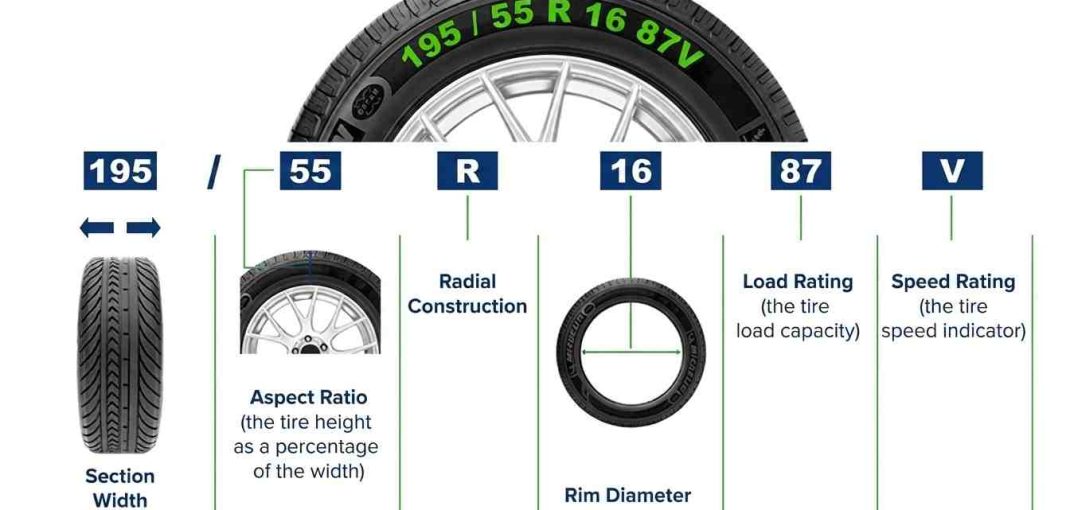
A typical tire size looks something like this: P195 / 55R 16 87V. Here is what each section represents:
1. Tire Type (P)
The first letter indicates the vehicle class the tire is designed for:
-
- P (Passenger): Standard cars, SUVs, and light-duty pickup trucks.
-
- LT (Light Truck): Designed for vehicles that carry heavy loads or tow trailers.
-
- No Letter: If there is no letter, it is likely a “Euro-Metric” tire, which has slightly different load capacities.
2. Section Width (195)
The first three-digit number is the width of the tire in millimeters, measured from sidewall to sidewall. In this case, the tire is 195mm wide.
3. Aspect Ratio (55)
The two-digit number after the slash is the aspect ratio. This tells you the height of the tire’s profile as a percentage of its width.
-
- 55 means the height of the sidewall is 55% of the 195mm width.
-
- Lower numbers (e.g., 35 or 40) indicate “low profile” tires, which offer better handling but a firmer ride.
4. Construction (R)
This letter tells you how the tire was built.
-
- R (Radial): The industry standard for almost all modern cars. The internal cord layers run radially (at 90 degrees to the direction of travel).
-
- D (Diagonal/Bias Ply): Mostly found on older vintage cars or specific trailer tires.
5. Wheel Diameter (16)
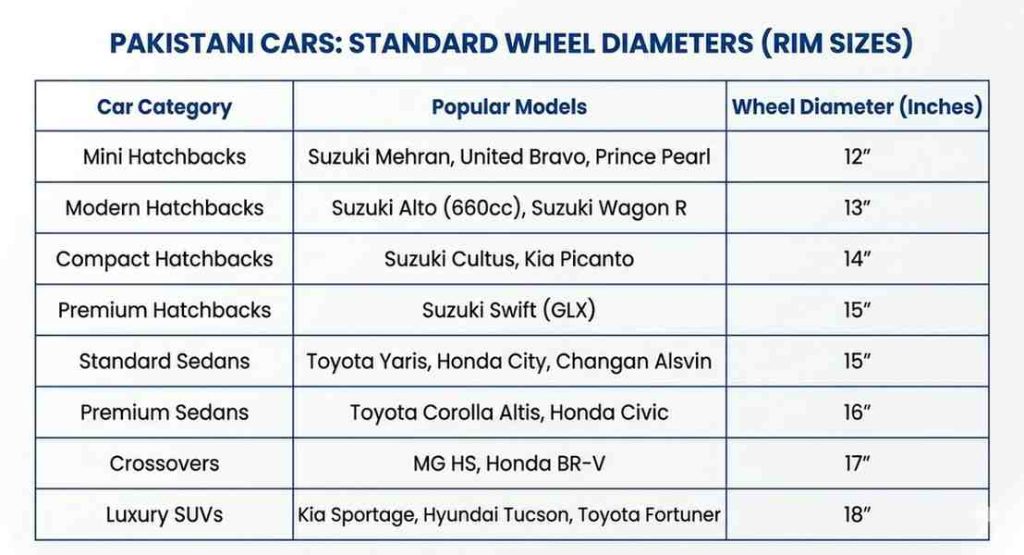
This number specifies the size of the wheel (rim) that the tire fits, measured in inches. A “16” tire must be mounted on a 16-inch wheel.
6. Load Index & Speed Rating (87V)
The final alphanumeric code refers to the tire’s performance limits:
-
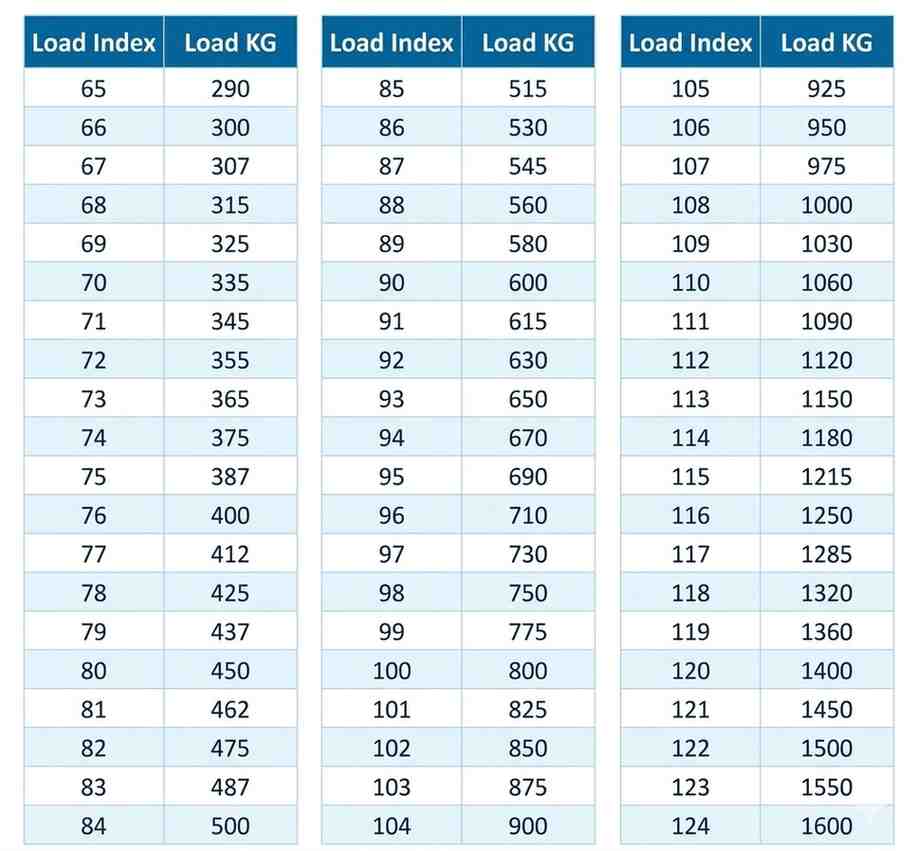
- Load Index (87): A numerical code representing the maximum weight the tire can support when properly inflated.
-
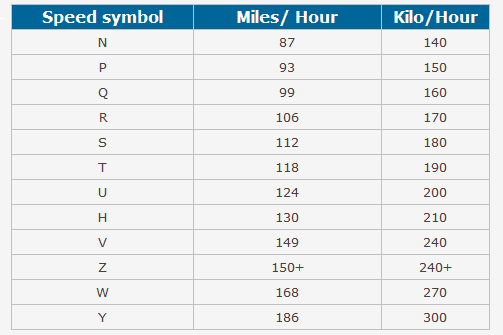
- Speed Rating (V): A letter indicating the maximum speed the tire can safely maintain.